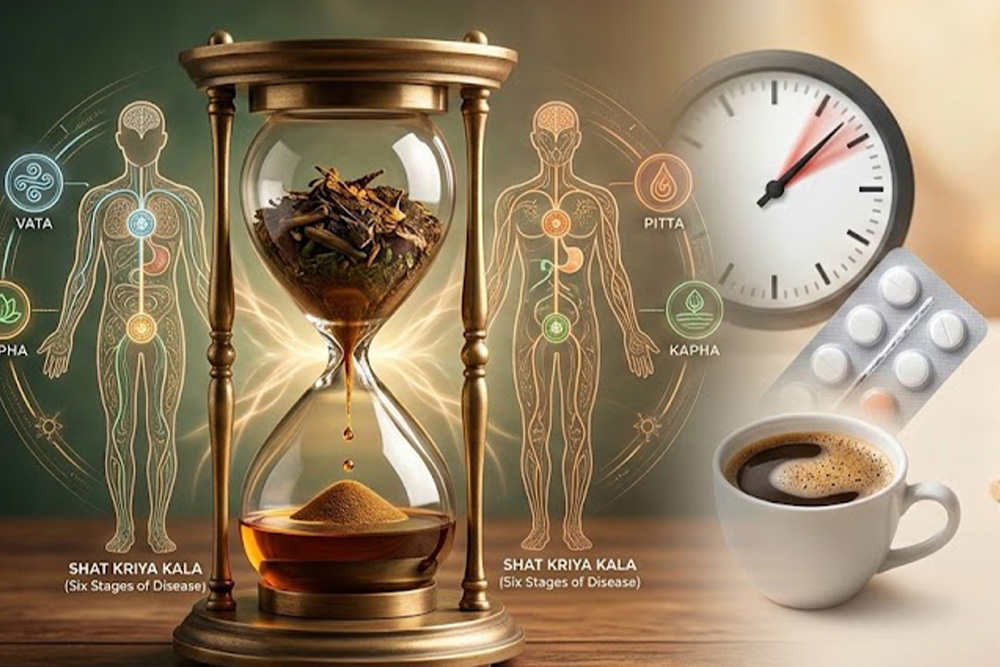
The "Instant Relief" Culture vs. Systemic Healing
In our world of high-speed internet and instant coffee, we have become accustomed to "instant relief." When we have a headache, we want it gone in ten minutes. When we have back pain, we want a pill to fix it by lunch. Because of this "Band-Aid" culture, a common myth has surfaced: Ayurveda is too slow for modern life.
At Marsha Ayurvedam, we hear this concern often. However, the reality is far more scientific. Ayurveda isn’t inherently slow; rather, our approach to it often is. This deep-dive explores why Ayurveda is perceived as slow, when it can actually work in minutes, and why "slow medicine" is often the fastest path to permanent health.
1. The "Last Resort" Phenomenon: Why We Think It’s Slow
The primary reason Ayurveda has a reputation for being slow is that many patients turn to it only after everything else has failed. Imagine a house that has had a leaking roof for ten years. The wood is rotted, the foundation is damp, and mold is growing in the walls. You cannot fix that house with a coat of paint in one afternoon.
When a patient visits our Best Panchkarma and Ayurvedic center in Jalandhar with a decade-long history of chronic back pain or metabolic issues, they are asking for a deep-tissue renovation. This process is biological, not chemical. We aren't just suppressing a symptom; we are rebuilding your cellular intelligence.
2. The Science of Shat Kriya Kala: The Six Stages of Disease
Ayurveda is a preventative science. In the ancient texts, the stages of disease are defined as Shat Kriya Kala. Most modern medicine intervenes only at the final stages (Manifestation or Complication). Ayurveda, however, can detect imbalances at the very first stage:
- Sanchaya (Accumulation): Doshas begin to build up.
- Prakopa (Provocation): The imbalance gets "excited" in its home site.
- Prasara (Spread): The imbalance starts traveling through the body.
- Sthana Samshraya (Localization): The imbalance finds a weak spot (like your lower back).
- Vyakti (Manifestation): You actually feel the pain or see the rash.
- Bheda (Differentiation): The disease becomes chronic.
The Reality: If you catch an imbalance at Stage 1 or 2, Ayurvedic treatment at Marsha Ayurvedam works almost instantly. If you wait until Stage 6, your body requires a dedicated timeline to reverse the damage.
3. When Ayurveda Works in Minutes: Acute Relief
Contrary to popular belief, many Ayurvedic interventions provide immediate results. At our Jalandhar clinic, we educate patients on these fast-acting protocols:
Digestive Spikes (Agni)
For sudden bloating or acid reflux, chewing on roasted fennel or ginger settle the stomach within 15–30 minutes. It works by rekindling the Agni (digestive fire) rather than just neutralizing acid.
Acute Stress and Anxiety
The practice of Pranayama (breathwork) or a quick Shiropichu (warm oil on the crown) can lower cortisol levels and calm the nervous system faster than many over-the-counter sedatives.
Back Pain & Stiffness
While long-term healing takes time, therapies like Kati Basti provide immediate symptomatic relief by deeply lubricating the spinal nerves and muscles with medicated oils.
4. Suppression vs. Root Cause Healing
To understand why "fast" isn't always "better," consider this comparison:
| Feature | Modern "Quick Fix" | Marsha Ayurvedam Approach |
|---|---|---|
| Goal | Stop the symptom immediately. | Remove the cause of the symptom. |
| Method | Chemical intervention (Suppression). | Detoxification & Dosha Balance. |
| Duration | Temporary (requires repeat dosage). | Long-term/Permanent results. |
5. How to "Speed Up" Your Ayurvedic Results
If you want to see faster results from your treatment, Ayurveda suggests three pillars:
- The Golden Hour of Digestion: Eat your largest meal when the sun is highest (12 PM - 2 PM).
- Consistent Dinacharya: A daily routine stabilizes Vata, which regulates the speed of healing.
- Purity of Medicine: Using authentic, high-quality herbs sourced by experts.
Conclusion: Why Marsha Ayurvedam is Your Best Choice
Ayurveda is not "slow medicine"; it is Deep Medicine. By choosing the best Panchkarma and Ayurvedic center in Jalandhar, you are choosing a path that respects your body’s natural rhythm. We don't just want you to feel better tomorrow; we want you to stay healthy for the next twenty years.
Ready for a Permanent Transformation?
Stop chasing temporary fixes. Experience the deep, scientific, and authentic healing of Marsha Ayurvedam.
Book Your Consultation Today